Child Marriage
© UNICEF Ethiopia/Getachew
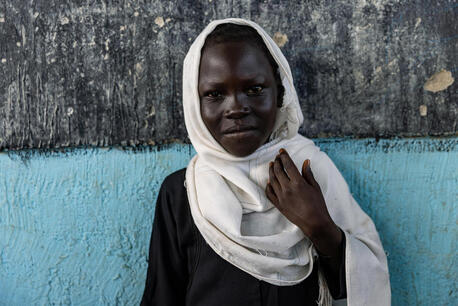
Twelve-year old Tizalem of Ethiopia removes the traditional wedding outfit from her face only long enough to sign the marriage contract. She was promised to a 24-year-old man as his wife.
Throughout the world, marriage is celebrated as a happy event of adult life. But for children—mostly girls who have a marriage partner imposed upon them—the event marks a premature end to their childhood.
In developing countries, around 65 million women aged 20-24 were married/in union before the age of 18. In certain areas of Nepal, Nigeria, India and Ethiopia, marriage at age 10 or 12 is not uncommon. While the reasons for child marriage vary, culture and poverty are key factors—child marriage occurs more frequently in rural settings than in urban ones, and in the poorest households than in wealthier families. Education is critical; women with primary education are significantly less likely to be married/in union as children than those who received no education.
Child marriage hurts children
Child marriage often leads to separation from family and friends, lack of freedom to interact with peers and participate in community activities, and decreased opportunities for education and economic participation.
Girls married at a young age also face serious health risks from pregnancy and childbirth—a girl under age 16 is five times more likely to die in pregnancy or childbirth than a woman between the ages of 20 to 24. In addition, pregnancy at an early age often leads to obstetric fistula, a serious medical condition that can lead to incontinence, infection, and infertility. In nearly every case of obstetric fistula, the baby is stillborn.
UNICEF addresses this harmful traditional practice by working with government officials to change laws, and most important with communities to change cultures. For example, in Nepal, a local NGO with UNICEF support helped start "child clubs"—children who took it upon themselves to raise awareness among local villagers on the dangers of the child marriage system.
Learn more about child marriage
Congressional Action to Address Child Marriage
Though the United States supports many programs that assist children and mothers, there is no specific U.S. Government focus on the problem of child marriage. Bipartisan legislation in both the House of Representatives and the Senate would bolster U.S. efforts to prevent child marriage. Both bills require a strategy to incorporate child marriage prevention into existing development, health, and education programs; and set aside funding for programs to prevent child marriage.
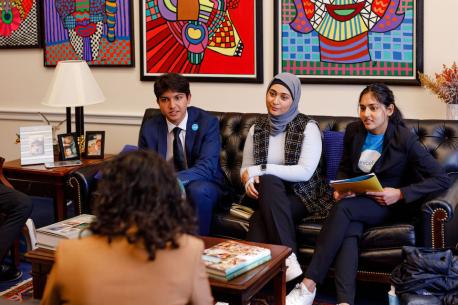
YOU CAN HELP by letting your Members of Congress know that you want them to cosponsor and support this legislation.
Take Action Now
Contact your U.S. Representatives and U.S. Senators, and let them know that you care about preventing child marriage.


Read the latest news about advocacy issues important to UNICEF on the